Nutrition Planning for Busy Schedules
Learn practical strategies for organizing meals when time is limited. Explore time-efficient approaches to daily nutrition.
Request a Consultation
Learn practical strategies for organizing meals when time is limited. Explore time-efficient approaches to daily nutrition.
Request a Consultation
Many people struggle to organize meals during busy workdays. Understanding how to plan ahead can make daily nutrition more manageable.
Building simple, repeatable patterns for meal organization helps create consistency without requiring excessive time investment.
Learning basic nutrition principles and meal planning strategies provides tools for long-term lifestyle management.

Organizing a basic weekly framework reduces daily decision-making time.
Preparing certain components in advance can streamline busy-day meals.
Using versatile ingredients across multiple meals reduces complexity.
Creating adaptable patterns rather than rigid schedules maintains consistency.
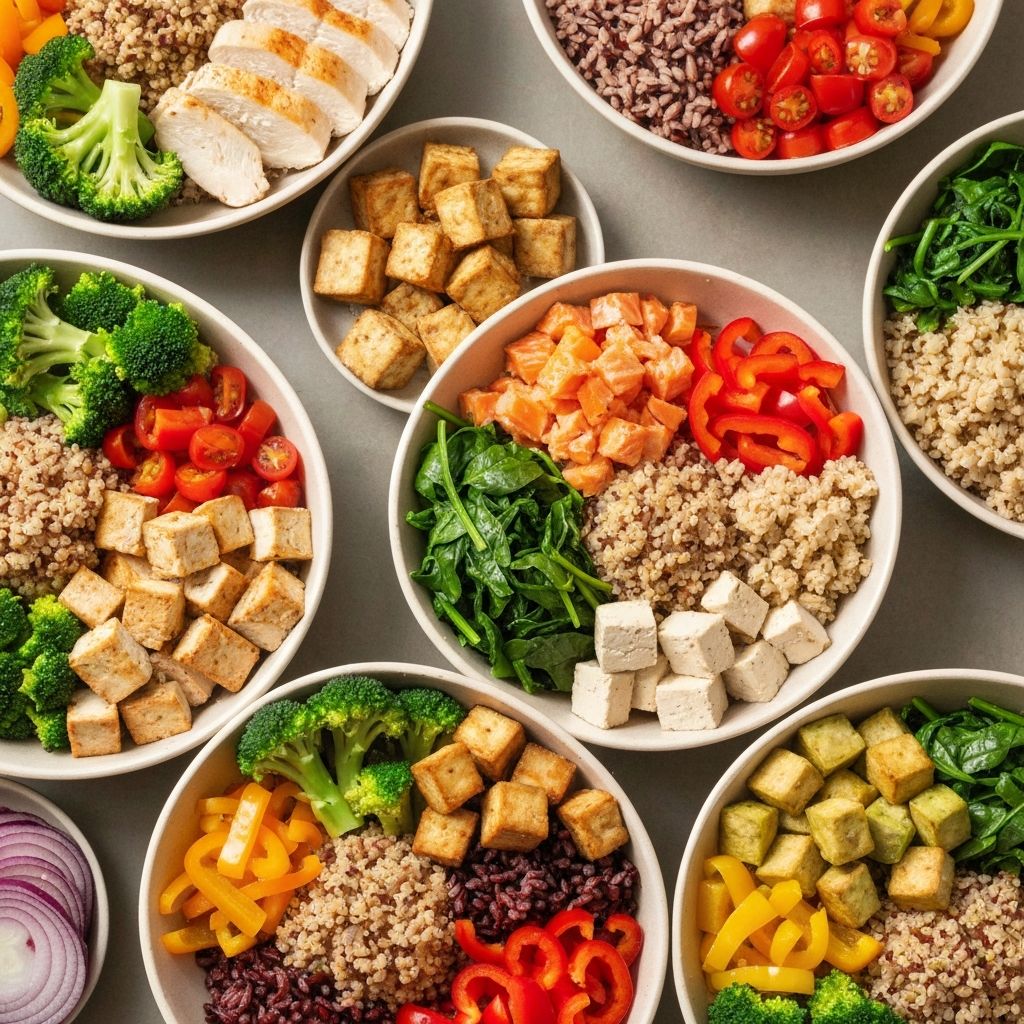
Understanding which foods work well for time-constrained situations can help you make practical decisions:
Eggs, canned fish, legumes, and pre-cooked options can reduce preparation time.
Pre-washed greens, frozen vegetables, and quick-cooking options maintain nutrition with less effort.
Learning which meals travel well helps maintain consistency during commutes or travel.
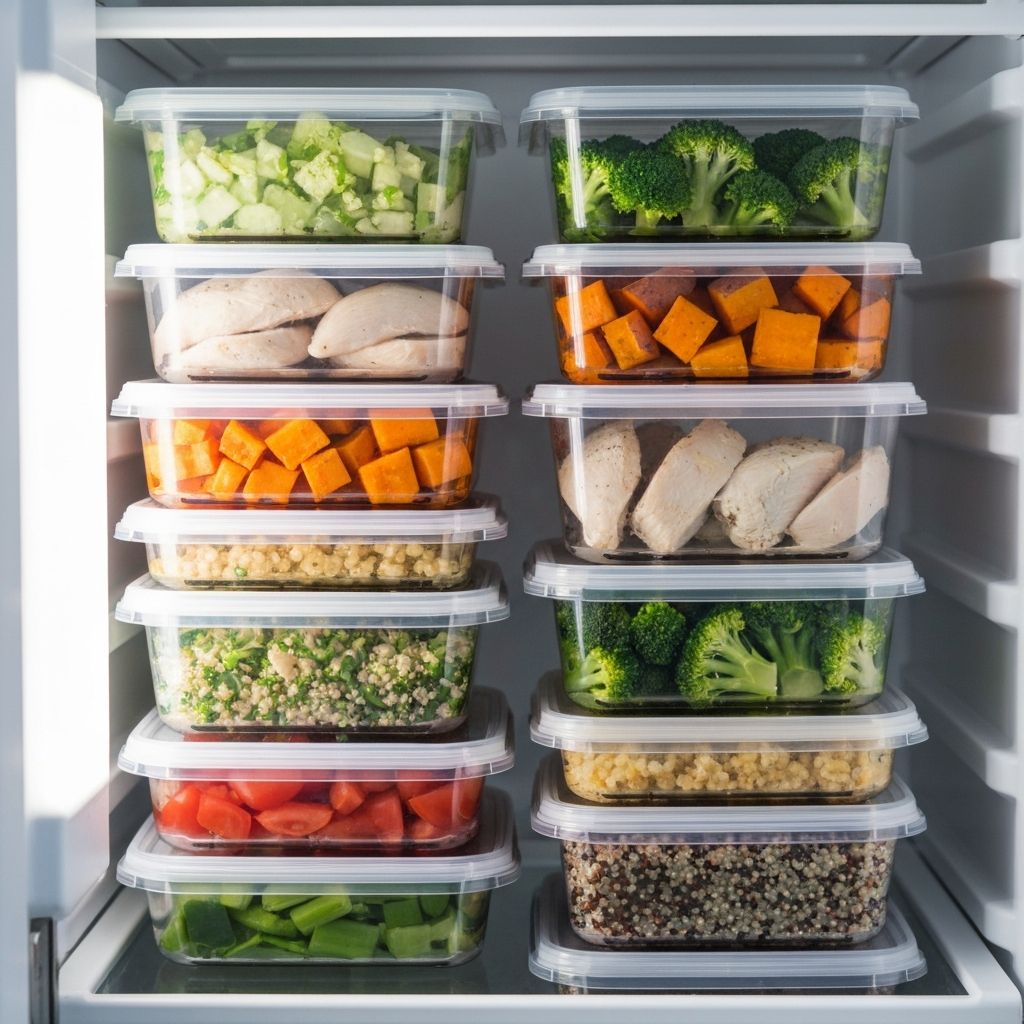
Using appropriate storage containers helps organize portions and maintain freshness throughout the week.

Designating specific times for shopping and preparation creates sustainable routines without overwhelming your schedule.
Those with demanding work schedules seeking practical meal organization strategies.
Individuals who need flexible approaches to maintaining nutrition during travel.
People with irregular schedules looking for adaptable eating patterns.
Parents balancing family needs with efficient meal planning approaches.
"Learning to plan meals weekly has made my workdays much more manageable. The strategies are practical and easy to implement."
"The consultation helped me understand how to organize nutrition during business travel. Simple approaches that actually work."
"As a shift worker, finding flexible meal patterns seemed impossible. The guidance provided practical solutions for irregular schedules."
Most people find that 1-2 hours per week for planning and preparation significantly reduces daily time spent on food decisions.
Prioritize versatile ingredients that work across multiple meals and require minimal preparation time.
Having portable, pre-prepared options and understanding quick assembly meals helps maintain consistency during demanding periods.
Learning which foods travel well and how to make informed choices when eating out helps maintain your patterns.
If you struggle with time management around meals and want practical education on organizing nutrition, this consultation may be helpful.
Explore time-efficient meal planning strategies tailored to your lifestyle.
Send a Consultation Request